
Finding Calm in the Chaos: Choosing the Right Ayurvedic Soap for Sensitive Skin in India

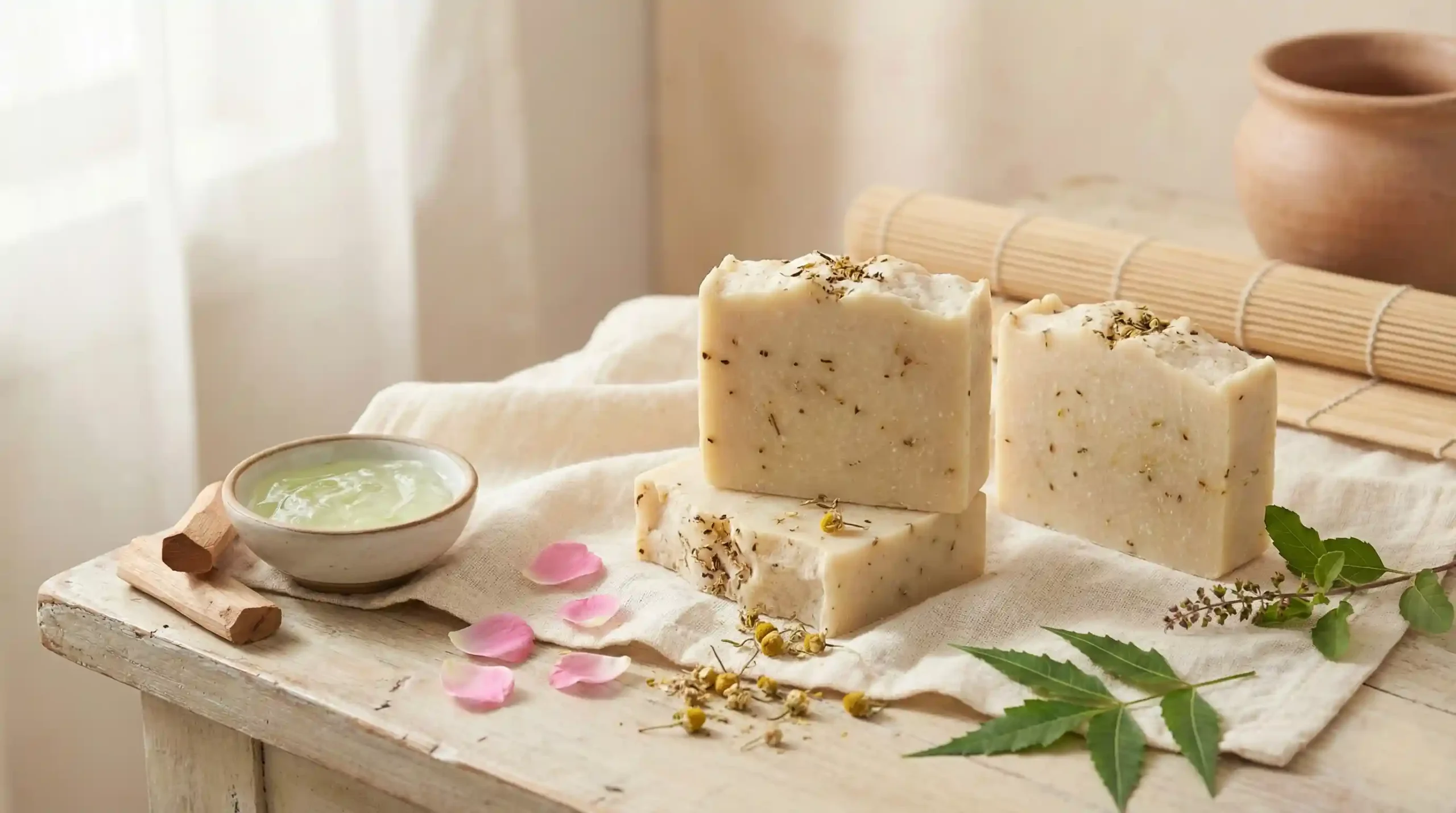
Living with sensitive skin in India is often a daily struggle of balancing environmental factors with personal comfort. One day it is the intense humidity of Mumbai or Kolkata making your skin feel itchy and suffocated; the next, it is the dry, dusty winds of Delhi or Rajasthan leaving your face tight and red. For many of us, the simple act of taking a shower—something that should be relaxing—becomes a source of anxiety. We wonder if the soap we are using will cause a flare-up, lead to those familiar red patches, or leave our skin feeling like it has been stripped of every ounce of moisture.
If you have spent years scanning the back of plastic bottles and colorful soap wrappers only to be disappointed, you are not alone. Many people are now turning back to traditional roots, seeking out an Ayurvedic soap for sensitive skin India can offer. This shift is not just about a trend; it is about finding a gentle, honest way to care for skin that reacts to almost everything.
Why Sensitive Skin Needs Special Care in the Indian Climate
Our skin is our first line of defense, but for those with a sensitive disposition, that defense is easily compromised. In India, the challenges are unique. We deal with high UV index levels, heavy pollution in urban areas, and extreme seasonal shifts. When you have sensitive skin, these factors trigger a chain reaction.
Pollutants can sit on the skin’s surface, causing irritation. Heat leads to excessive sweating, which, if not cleaned gently, can result in “heat rashes” or prickly heat. However, the catch-22 is that most conventional soaps designed to “deep clean” use harsh surfactants. These chemicals might remove the dirt, but they also destroy the skin’s natural lipid barrier. For a person in India, this means the skin becomes even more vulnerable to the sun and dust, creating a cycle of redness and itching that never seems to end.
The Ayurvedic Perspective: Balancing the Doshas
Ayurveda does not look at sensitive skin as just a surface-level problem. Instead, it views skin health as a reflection of internal balance, specifically regarding the three Doshas: Vata, Pitta, and Kapha.
Sensitive skin is most commonly associated with an imbalance in the Pitta dosha. Pitta represents fire and water; when it is aggravated, it manifests as heat, redness, and inflammation. This is why sensitive skin often feels “hot” or looks flushed after a bath or a walk outside. There can also be a Vata element, which introduces dryness and flaking.
An authentic Ayurvedic approach to skincare focuses on “Shaman”—or calming the skin. Rather than using aggressive ingredients to “fix” a problem, Ayurveda uses cooling and grounding herbs to bring the skin back to its natural state of equilibrium. When searching for an Ayurvedic soap for sensitive skin India, you are essentially looking for a formulation that pacifies Pitta and hydrates Vata.
Gentle Ingredients That Make a Difference
The beauty of Ayurveda lies in the kitchen and the garden. For sensitive skin, the ingredient list should be short and recognizable. Here are some of the most effective botanicals found in Indian tradition:
- Neem: While often used for oily skin, in small, balanced amounts, Neem is incredible for its cooling and purifying properties. It helps soothe minor irritations without being harsh.
- Turmeric (Haldi): A staple in Indian households, Turmeric is known for its ability to calm the skin. It helps reduce the appearance of redness and provides a protective layer.
- Sandalwood (Chandan): Perhaps the most prized ingredient for sensitive skin, Sandalwood is naturally cooling. It helps take the “heat” out of the skin, making it perfect for the harsh Indian summer.
- Aloe Vera (Ghritkumari): It acts as a natural humectant, pulling moisture into the skin and providing an instant soothing sensation to itchy or burnt areas.
- Mulethi (Licorice Root): Often overlooked, Mulethi is wonderful for evening out the skin tone and calming inflammation.
The Importance of Base Oils and Soap-Making Methods
A soap is only as good as its base. Many commercial “beauty bars” are actually synthetic detergents in disguise. They use Sodium Lauryl Sulfate (SLS) to create a big lather, but this lather is exactly what strips sensitive skin of its oils.
True Ayurvedic soaps usually rely on the cold-processed method or use a high-quality glycerine base. In the cold-process method, natural vegetable oils like Coconut oil, Almond oil, or Castor oil are reacted with an alkali. The result is a bar that retains its natural glycerine—a byproduct that is usually removed from commercial soaps to be sold separately in expensive lotions.
For someone looking for an Ayurvedic soap for sensitive skin India, ensuring the soap contains moisturizing oils is vital. Coconut oil provides a gentle cleanse, while Almond oil or Vitamin E-rich oils ensure that the skin remains soft long after you have stepped out of the shower.
Commercial vs. Ayurvedic: What Is the Real Difference?
The difference is felt rather than just seen. Commercial soaps are designed for mass appeal—they smell like strong perfumes and produce a massive amount of foam. While this feels “clean,” it is often too aggressive for sensitive skin. The artificial fragrances and synthetic colors are common triggers for contact dermatitis and localized rashes.
Ayurvedic soaps, on the other hand, tend to have a more earthy, subtle scent derived from essential oils. They don’t produce a “squeaky clean” feeling, which is actually a good thing. That “squeak” usually means your skin’s natural oils are gone. An Ayurvedic bar leaves a thin, breathable layer of moisture, which is exactly what sensitive skin needs to stay protected throughout the day.
How to Choose the Right Ayurvedic Soap for Sensitive Skin in India
When you are at the store or browsing online, don’t just look at the front of the pack. Turn it over. A genuine product should be transparent about its ingredients.
- Check for “Sulfates-Free”: Ensure there is no SLS or SLES.
- Avoid Synthetic Fragrance: Look for “Essential Oils” instead of “Parfum” or “Fragrance.”
- Identify the Hero Ingredient: Does it have cooling elements like Vetiver (Khus), Sandalwood, or Aloe Vera?
- Look for Cold-Pressed Oils: These are less processed and more nutrient-dense.
- Color Matters: If a soap is neon green or bright pink, it likely contains synthetic dyes. Natural Ayurvedic soaps usually have muted, earthy tones.
Long-Term Care for Lasting Comfort
Switching to a better soap is the first step, but sensitive skin care is a holistic process. In our Indian context, try to bathe with lukewarm water rather than hot water, as heat can further trigger Pitta-based redness. After bathing, pat your skin dry with a soft cotton towel—never rub.
Consistency is key. You might not see a miracle overnight, but over two to three weeks of using a gentle Ayurvedic bar, you will notice that the “tightness” after a wash disappears. The frequency of random itching or red patches often decreases as the skin’s barrier begins to repair itself.
Conclusion
Taking care of sensitive skin in India doesn’t have to be a constant battle against the elements. By stepping away from harsh chemicals and embracing the cooling, balancing wisdom of Ayurveda, you give your skin the chance to breathe and heal. An Ayurvedic soap for sensitive skin India is more than just a cleansing product; it is a daily ritual of kindness toward yourself. Look for simplicity, trust the power of traditional herbs, and let your skin find its natural state of calm.


Wonderful article! I recently came across Ayveda while looking for Ayurvedic skincare solutions, and this post provided some great tips for choosing the right soap for sensitive skin.