
The Timeless Benefits of Ashwagandha and Manjistha Skin Soap for Daily Care

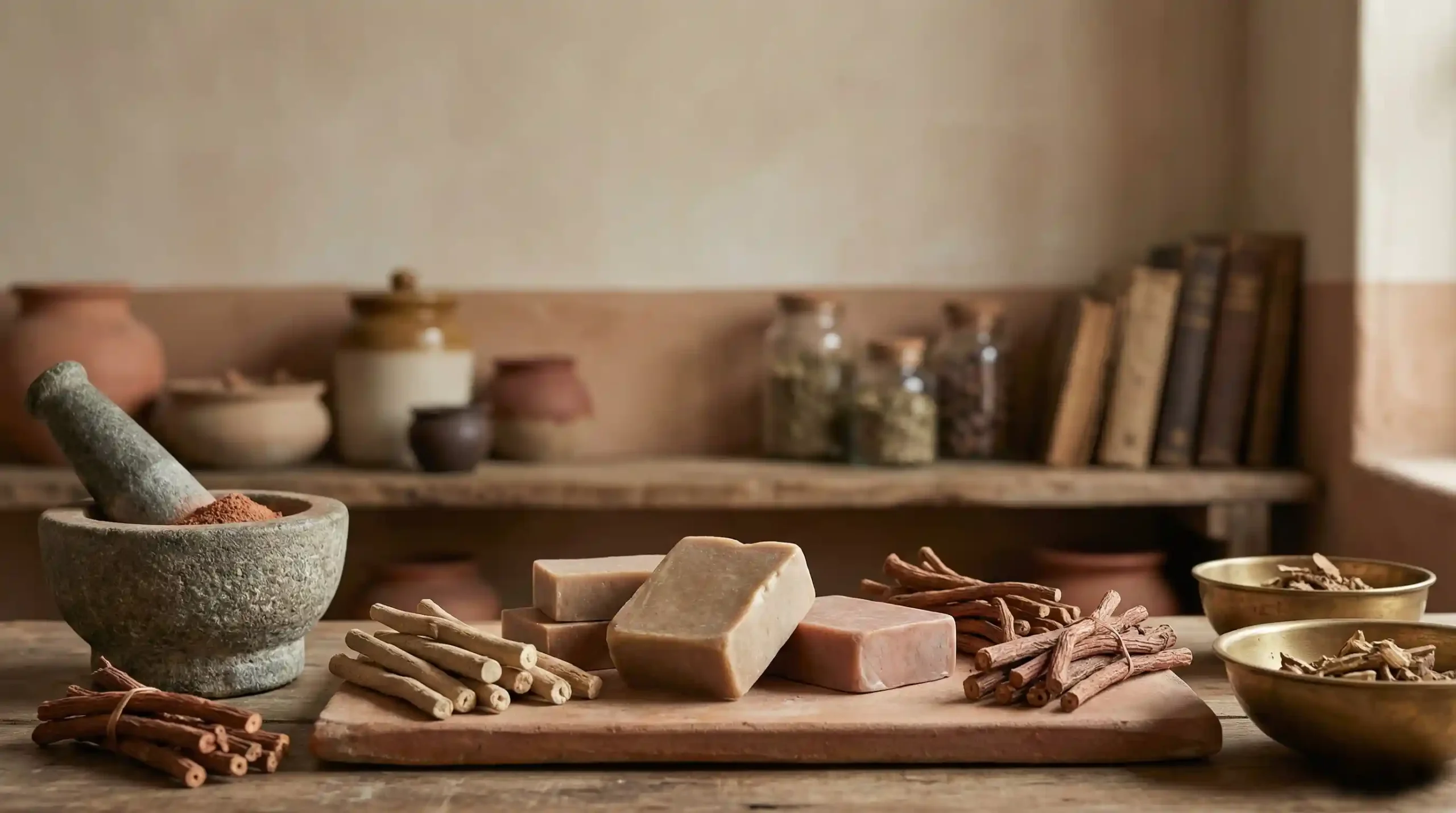
In many Indian households, the bathroom shelf is more than just a place for toiletries; it is often a small reflection of our heritage. Growing up, most of us remember our grandmothers talking about the “uvan” or “lep” made from herbs found in the kitchen or the local Ayurvedic store. In today’s fast-paced life, we often lose that connection to nature, replacing traditional wisdom with colorful, synthetic bars that promise a lot but often leave our skin feeling tight and stripped of its natural oils.
The Indian climate presents unique challenges. From the humid coastal regions to the dry heat of the north, our skin deals with dust, sweat, and environmental stressors every single day. Finding a balance between thorough cleansing and maintaining skin comfort is a constant struggle. This is where the combination of traditional herbs like Ashwagandha and Manjistha comes into play, especially when formulated into a gentle daily soap.
Understanding the Role of Ashwagandha and Manjistha in Skincare
To understand why an Ashwagandha and Manjistha skin soap is gaining popularity, we first have to look at the individual herbs themselves. These are not just “trendy ingredients”; they have been pillars of Ayurvedic practice for centuries.
The Grounding Nature of Ashwagandha
Ashwagandha is often called the “King of Herbs” in Ayurveda. While many people know it as a supplement for internal vitality, its topical application is equally significant. In the context of skincare, Ashwagandha is valued for its “Vata-pacifying” properties. It is a deeply nourishing herb that helps the skin feel more resilient. When you live in a city with high pollution levels, your skin can often look tired or dull. Ashwagandha helps in providing a sense of calm and rejuvenation to the skin’s surface.
The Purifying Essence of Manjistha
Manjistha, on the other hand, is the “varna” herb—known for its ability to improve the appearance of the skin and even out the complexion. It is traditionally used to balance “Pitta,” which often manifests as redness or heat on the skin. Manjistha is a natural purifier. It doesn’t work by harsh chemical action but by gently supporting the skin’s natural ability to stay clear and vibrant.
Why These Herbs are Used Together in Skin Soaps
In Ayurveda, the synergy between ingredients is often more important than the ingredients themselves. When you use an Ashwagandha and Manjistha skin soap, you are benefiting from a balanced formula. Ashwagandha provides the nourishment and “strength” the skin needs, while Manjistha works on clarity and brightness.
This duo is particularly effective for the Indian skin type, which often deals with uneven tone due to sun exposure and a lack of moisture due to harsh soaps. Together, they create a cleansing experience that feels holistic. One herb calms and protects, while the other cleanses and clarifies. It is a “complete” approach to daily hygiene that doesn’t rely on synthetic actives.
The Difference Between Herbal Ayurvedic Soaps and Commercial Bars
If you look at the back of a standard commercial soap bar, you will likely see a long list of chemical names, detergents like SLS (Sodium Lauryl Sulfate), and synthetic fragrances. These “syndet” bars are designed to create a lot of foam, but that foam often comes at a cost. They strip away the acid mantle—the skin’s natural protective layer.
A genuine Ayurvedic Ashwagandha and Manjistha skin soap is usually made through a different process. Instead of harsh detergents, it uses saponified vegetable oils and herbal extracts. The experience is different; the lather is creamier and softer, and most importantly, your skin doesn’t feel “squeaky clean” in a way that feels dry or itchy. Instead, it feels refreshed and soft.
The Importance of Gentle Cleansing and Natural Glycerin
One of the biggest advantages of traditional soap-making is the retention of natural glycerin. In mass-market production, glycerin is often removed from soap to be sold separately in expensive lotions. However, in a well-made herbal soap, the glycerin remains.
Glycerin is a humectant, meaning it draws moisture to the skin. When combined with the soothing properties of Ashwagandha, it ensures that your daily bath becomes a moisturizing treatment rather than just a cleaning ritual. For someone dealing with the hard water issues common in many Indian cities, using a soap that retains its natural glycerin can make a world of difference in how the skin feels after a shower.
Base Oils That Complement Ashwagandha and Manjistha
The herbs are the stars, but the “base” of the soap is the stage they perform on. A high-quality Ashwagandha and Manjistha skin soap should ideally be built on a foundation of nourishing oils.
- Coconut Oil: Provides a deep cleanse and creates a rich, natural lather.
- Sesame Oil: Often used in Ayurveda as a base for herbal infusions because it penetrates the skin well.
- Castor Oil: Adds a beautiful creaminess to the soap and helps retain moisture.
- Neem or Tulsi Oil: Sometimes added in small amounts to enhance the antimicrobial properties of the bar.
When these oils are used as the base, they ensure that the Ashwagandha and Manjistha extracts are delivered to the skin in a medium that the skin can actually absorb and benefit from.
How to Identify a Genuine Ashwagandha and Manjistha Skin Soap
With so many products claiming to be “natural” or “Ayurvedic,” it can be confusing for a buyer. To find a genuine product, look at the color and the scent. True Manjistha gives soap a natural earthy, reddish, or brownish tint—it won’t be a bright, artificial pink. The scent should be herbal and grounding, not like a heavy synthetic perfume.
Check the ingredient list. The herbs should be listed as extracts or powders, and the soap base should ideally consist of vegetable oils rather than “soap noodles” or “surfactants.” Transparency in labeling is a good sign of a brand that respects traditional methods.
Who May Benefit from Using Such Herbal Soaps?
An Ashwagandha and Manjistha skin soap is generally suitable for most skin types because of its balancing nature.
- Those with tired, dull skin: If your skin looks lackluster due to stress or lack of sleep, the rejuvenating properties of Ashwagandha can help.
- People with uneven skin tone: Manjistha is traditionally used to help with skin discoloration and spots.
- Those with sensitive skin: Because it lacks harsh chemicals, it is often much kinder to skin that reacts easily to synthetic fragrances or dyes.
Consistency and Realistic Expectations
It is important to remember that Ayurvedic products are not “overnight miracles.” They work with your body’s natural rhythm. When you switch to an Ashwagandha and Manjistha skin soap, you might not see a dramatic change in two days. However, after two or three weeks of consistent use, you will likely notice that your skin feels more “comfortable.” You might find yourself reaching for the moisturizer less often, or noticing that your skin has a healthier, more natural glow.
Skincare is a long-term commitment. Using herbs that have been trusted for thousands of years is a way of being kind to your skin for the long haul, rather than looking for a quick fix that might cause irritation later.
Conclusion
In our search for better skin, we often look toward the latest laboratory innovations, forgetting that our own traditions have already provided the answers. An Ashwagandha and Manjistha skin soap is more than just a cleansing bar; it is a way to bring the balance of Ayurveda into your daily life. By choosing products that prioritize gentle cleansing, natural ingredients, and time-tested herbs, we not only take better care of our bodies but also stay connected to a heritage of wellness that values harmony above all else.


