
The Quiet Magic of Essential Oil Infused Handmade Soaps in Our Daily Lives

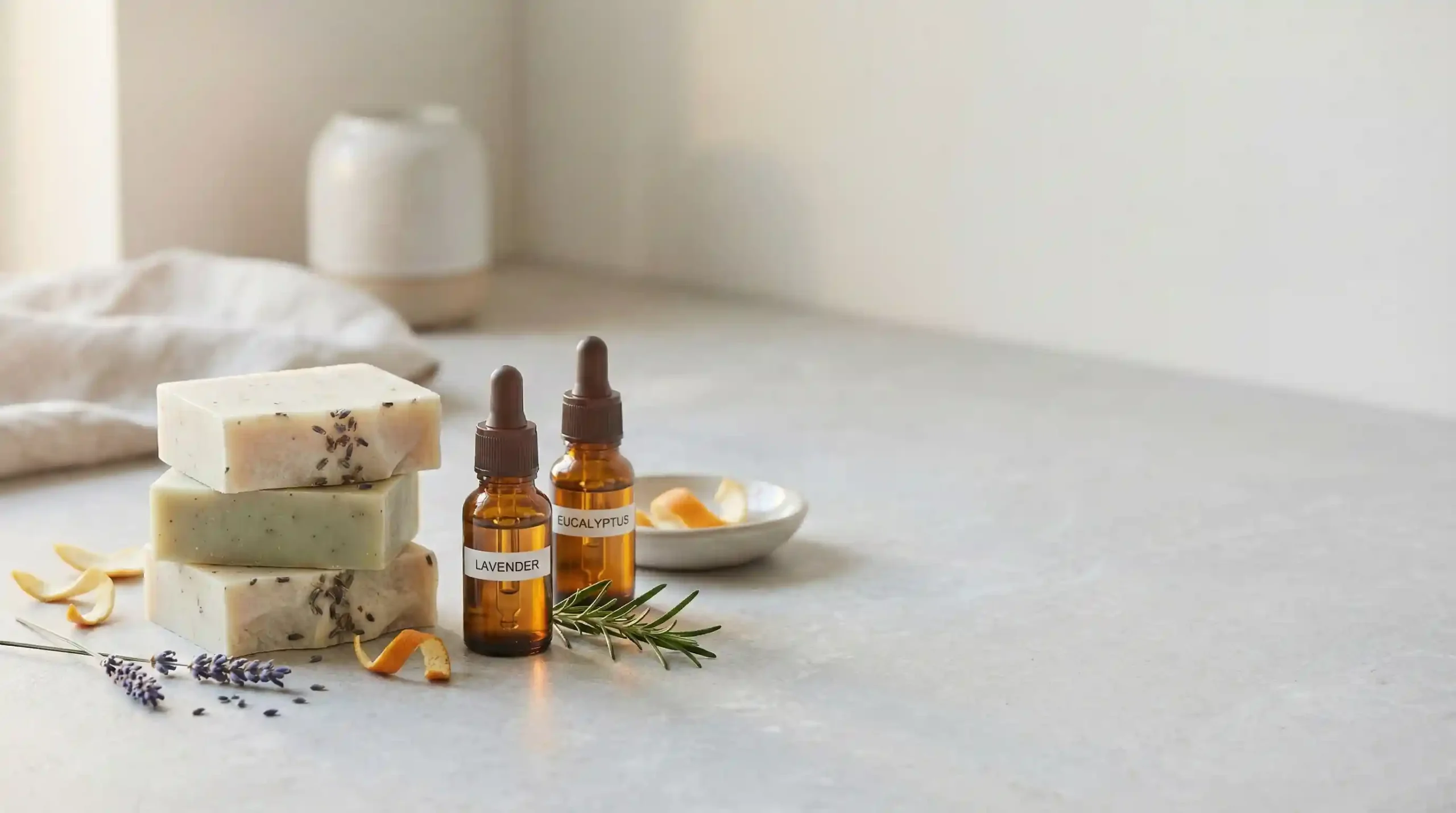
In most Indian households, the day truly begins only after a bath. Whether it is the quick bucket-and-mug routine before rushing to the office or the long, relaxing soak on a Sunday afternoon, bathing is more than just hygiene. It is a ritual of transition. Many of us grew up with the scent of sandalwood paste, crushed hibiscus leaves, or the earthy aroma of rain hitting dry soil. These scents are deeply rooted in our memories. Today, as our lives become faster and more stressful, we find ourselves looking for those small moments of peace. This is where essential oil infused handmade soaps have started finding a permanent place in our bathrooms.
There is a world of difference between a mass-produced bar of soap and one crafted by hand using pure plant extracts. It is the difference between a quick chore and a sensory experience that lingers long after you have dried off.
Understanding the Essence of Plants
To understand why these soaps are special, we first need to look at what goes into them. Essential oils are not just “perfumes.” They are highly concentrated extracts derived from flowers, leaves, bark, or roots. In India, we have used these botanical treasures for centuries. We know the cooling effect of Vetiver (Khus) during a humid July, and we understand the grounding scent of Cedarwood.
When these oils are added to soap, they bring the “soul” of the plant with them. Unlike synthetic scents created in a lab to mimic a smell, essential oils carry the actual volatile compounds of the plant. This means when you use a soap infused with Lavender or Lemongrass, you aren’t just smelling a chemical version of it; you are interacting with the plant’s natural chemistry.
Why Essential Oil Infused Handmade Soaps Feel Different
If you have ever used a standard commercial soap, you might have noticed that “tight,” itchy feeling on your skin afterward. This usually happens because the natural glycerin—a byproduct of the soap-making process that keeps skin soft—is often removed to be sold separately in expensive lotions.
Essential oil infused handmade soaps are made differently. They are usually crafted in small batches using the cold-process method. This slow way of making soap preserves the natural glycerin. When you combine this moisturizing base with the purity of essential oils, the result is a creamy, gentle lather that respects the skin’s natural barrier. It doesn’t just clean; it comforts.
Popular Essential Oils and Their Roles
Every essential oil brings its own personality to a bar of soap. Depending on the time of day or how your skin is feeling, different oils can play different roles:
- Lavender: Perhaps the most loved oil globally. In a soap, it offers a soft, floral scent that is perfect for a night-time bath to help settle the mind after a chaotic day in the city.
- Lemongrass and Citrus: These are the morning favorites. The sharp, zesty notes are incredibly refreshing, helping to clear the “morning brain fog” and making you feel alert.
- Tea Tree: Known for its earthy, medicinal scent, it is often used in soaps meant for those with oily or blemish-prone skin because of its balancing properties.
- Peppermint: There is nothing quite like a peppermint soap during a hot Indian summer. It provides a subtle cooling sensation that feels like a breath of fresh air for the skin.
- Sandalwood and Turmeric: These are classic Indian staples. They offer a warm, woody aroma that feels deeply traditional and grounding.
The Shift from Synthetic to Natural
A common question is: “Why does it matter if the scent is natural or synthetic?” Synthetic fragrance oils are designed to stay strong for years. While they smell powerful, they are often made from petroleum-derived chemicals that can be harsh on sensitive skin or cause headaches for people sensitive to strong smells.
In contrast, the scent of essential oil infused handmade soaps is more subtle and complex. It doesn’t scream at you; it whispers. Because essential oils are volatile, the scent might fade slightly over months, which is actually a sign of a genuine product. Choosing natural oils means you are reducing the chemical load on your body and the environment.
Integrating Natural Soaps into the Indian Lifestyle
Our environment in India can be quite harsh on the skin. We deal with heavy pollution, intense dust, and extreme humidity. This often leads to skin feeling tired or congested. A handmade soap acts as a gentle daily reset.
Instead of seeing a bath as just “washing away dirt,” try seeing it as a minute of aromatherapy. As the warm water hits the soap, the steam carries the essential oil molecules into the air. Breathing in the scent of Eucalyptus or Bergamot while you lather up can shift your mood. It turns a mundane task into a moment of mindfulness, helping you reclaim a bit of calm before the emails and phone calls start.
How to Choose a Genuine Soap
With so many products claiming to be “natural” or “herbal” today, it can be confusing. To find a true essential oil infused handmade soap, look at the ingredient list. You want to see names like Sodium Olivate (Saponified Olive Oil), Sodium Cocoate (Saponified Coconut Oil), and then the specific essential oil name, such as Lavandula Angustifolia.
If the label simply says “Fragrance” or “Parfum,” it is likely synthetic. Also, look at the color. Essential oil soaps usually have muted, earthy tones derived from clays or botanicals. If a soap is neon pink or bright blue, it’s a sign that synthetic dyes were used.
A Note on Sensitivity
While essential oils are natural, they are also powerful. Just because something comes from a plant doesn’t mean it suits everyone. If you have extremely sensitive skin or a history of allergies, it is always wise to do a patch test first. Some people find that citrus oils or cinnamon-based oils can be a bit too “active” for their skin.
Also, if you are pregnant or breastfeeding, certain essential oils are best avoided. Always read the description provided by the maker, as they usually mention which oils are used and in what concentration.
Conclusion: A Return to Simplicity
In the end, choosing essential oil infused handmade soaps is about returning to a simpler, more honest way of caring for ourselves. It is about moving away from the “plastic” feel of modern life and reconnecting with the textures and scents of the earth.
When you support a handmade soap maker, you aren’t just buying a cleaning product. You are buying a piece of craft that took weeks to cure and years of knowledge to formulate. It’s a small luxury that fits into your palm, making your daily routine a little more beautiful, one bath at a time.


