
The Daily Battle with Dust and Humidity: Why Your Skin Needs a Deeper Clean

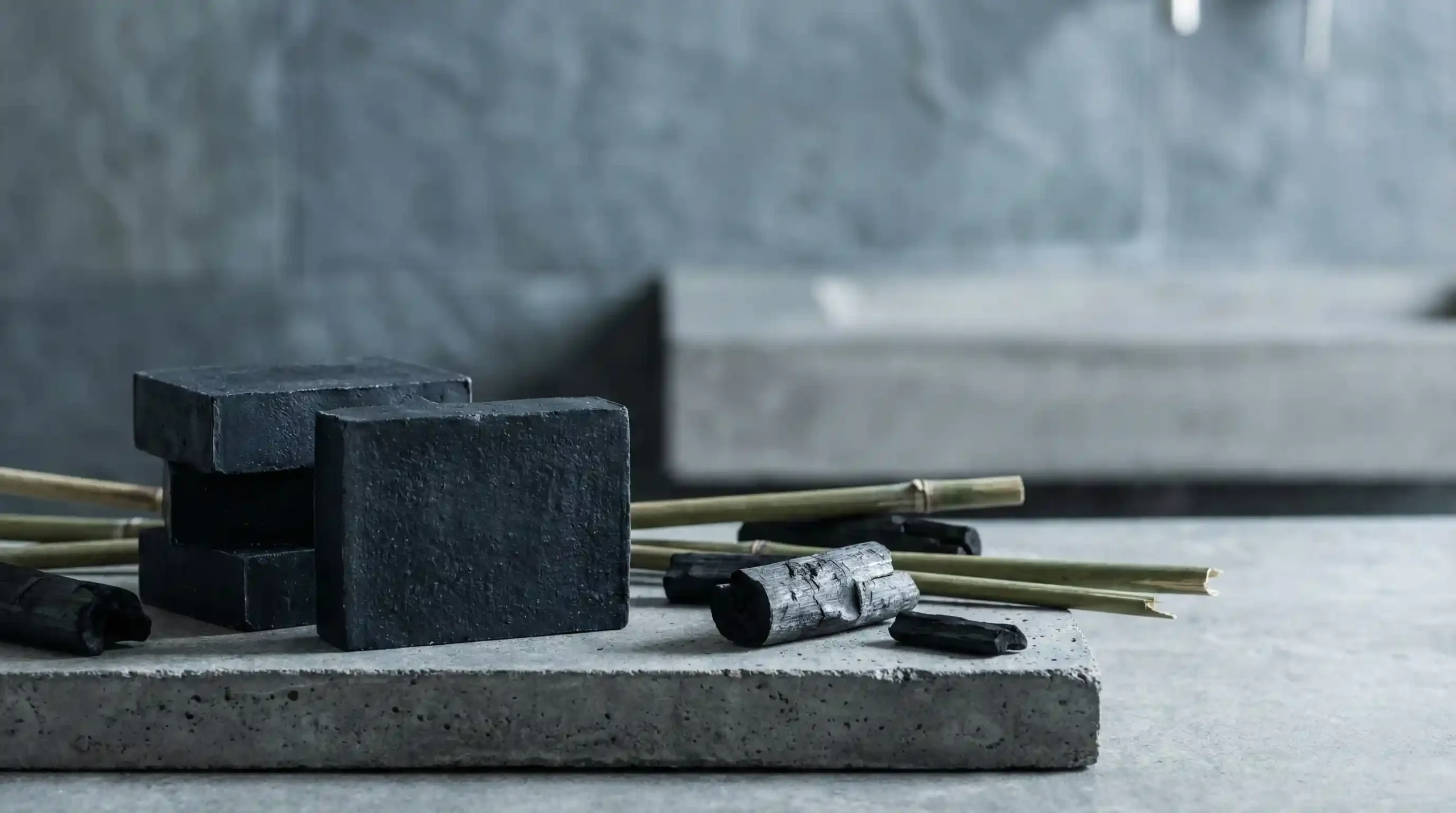
Living in any major Indian city today feels like a constant tug-of-war with the environment. Between the morning commute through heavy traffic and the sticky humidity that seems to follow us everywhere, our skin takes a beating. By the time we get home, there is a visible layer of grime that a simple splash of water just cannot touch. For those of us with oily or combination skin, this struggle is even more pronounced. The excess oil acts like a magnet for pollutants, leading to that heavy, “clogged” feeling that persists even after a shower.
Standard soaps often fall into two categories: they either leave you feeling like the dirt is still there, or they are so harsh that your skin feels tight and stripped of its natural moisture. This is why many are moving toward more traditional, thoughtful formulations. Among these, Charcoal and Bamboo handmade soap has gained a lot of traction, not as a miracle cure, but as a practical solution for the deep cleansing that our modern Indian lifestyle demands.
The Traditional Roots and Modern Use of Charcoal
Charcoal isn’t exactly a new discovery in Indian households. Many of our grandparents used it in various forms for cleaning and purification. In the context of skincare, charcoal is prized for its porous nature. Think of it like a microscopic sponge. It has a massive surface area that allows it to bind to dirt and oil.
When you use a soap infused with charcoal, it doesn’t just wash over the skin; it helps lift the microscopic particles of pollution and excess sebum that sit deep within the pores. In a climate where we sweat frequently, this ability to “pull” impurities away is what makes it stand out from regular cleansing bars. It’s about achieving a level of cleanliness that feels light and breathable.
Understanding the Role of Bamboo Charcoal
While various types of charcoal exist, bamboo charcoal is often preferred for handmade soaps aimed at deep cleansing. Bamboo grows incredibly fast and, when processed into charcoal, creates a very fine, highly porous structure. Because the particles are so small, they can provide a thorough clean without feeling like you are scrubbing your skin with something abrasive.
In a Charcoal and Bamboo handmade soap, the bamboo element ensures that the cleansing process is efficient. It’s particularly effective for people who spend a lot of time outdoors or in dusty environments. It helps manage that “dull” look that skin gets after a long day in the sun and smog, helping to restore a more refreshed appearance simply by removing the debris that shouldn’t be there in the first place.
Why Charcoal and Bamboo Create a Balanced Experience
You might wonder why these two are often paired together in a single handmade bar. The combination is essentially about synergy. Charcoal provides the “pulling” power, while the specific texture and properties of bamboo charcoal allow for a smooth application.
In a well-made handmade soap, these ingredients work together to tackle the specific problems of an oily T-zone or the general stickiness we feel during the monsoon and summer months. It isn’t about adding complex chemicals to the skin; it’s about using the physical properties of these natural elements to do the heavy lifting of hygiene. When you use a Charcoal and Bamboo handmade soap, you are essentially using a tool designed for the “heavy-duty” cleansing that urban living requires.
How Handmade Charcoal Soap Differs from Commercial Bars
There is a significant difference between a mass-produced “charcoal-flavored” soap you find on a supermarket shelf and a genuine handmade version. Commercial bars are often produced using continuous motion machines that strip away the natural by-products of the soap-making process to sell them separately for higher profits.
Handmade soaps, on the other hand, are usually made in small batches using the cold-process method. This allows the maker to retain the natural glycerin, which is a humectant that draws moisture into the skin. When you use a Charcoal and Bamboo handmade soap, you get the deep cleaning benefits of the charcoal without the “parched” feeling often associated with industrial detergents (syndets). The handmade process ensures that the charcoal is distributed evenly and that the soap remains a gentle, balanced cleanser.
The Importance of Natural Glycerin and Gentle Cleansing
One of the biggest mistakes we make in India is over-washing our skin with harsh soaps to get rid of oil. This often backfires, as the skin overcompensates by producing even more oil. This is where the natural glycerin in handmade soap becomes vital.
While the charcoal works to remove the excess oil and pollution, the glycerin stays behind to ensure the skin’s barrier remains intact. This balance is crucial. You want your skin to be clean, but you don’t want it to feel “squeaky clean” to the point of irritation. A Charcoal and Bamboo handmade soap respects this balance, providing a thorough wash that still feels comfortable and soft.
Balancing the Cleanse with Nourishing Base Oils
A good charcoal soap isn’t just made of charcoal; the base oils used are just as important. Makers often use a blend of oils like coconut oil for its bubbles and cleaning power, but they balance it with oils like rice bran, olive, or castor oil.
These oils provide the “buffer” that prevents the charcoal from being too drying. In the Indian heat, we need a soap that can handle sweat but also keep the skin nourished. The right mix of oils ensures that the Charcoal and Bamboo handmade soap lathers well, rinses off cleanly, and leaves the skin feeling refreshed rather than stripped. It is this thoughtful formulation that distinguishes a quality handmade product from a generic one.
How to Choose a Genuine Charcoal and Bamboo Handmade Soap
When looking for a bar, the first thing to check is the ingredient list. A real handmade soap will list saponified oils and natural charcoal, rather than “soap base” or a long list of synthetic foaming agents like SLS or SLES.
The color is also a giveaway. A genuine Charcoal and Bamboo handmade soap should be a deep, matte black or very dark grey. If it looks translucent or “shiny,” it might be a glycerin melt-and-pour base rather than a traditional cold-process soap. Also, look for soaps that have a natural, earthy scent or use essential oils like lemongrass or eucalyptus, which complement the refreshing nature of charcoal.
Who Should Use Charcoal Soap and How Often?
Charcoal soap is a powerhouse for hygiene, but it’s important to use it correctly based on your skin type.
- For Oily and Combination Skin: This soap can usually be used daily, especially in the evenings to wash away the day’s pollution. It’s excellent for those who struggle with a greasy forehead or nose.
- For Normal Skin: Using it 3 to 4 times a week or specifically after outdoor activities, gym sessions, or travel is often enough to keep the pores clear.
- For Very Dry or Sensitive Skin: You might find charcoal soaps a bit too efficient at oil removal. In this case, it’s better to use it only once a week as a deep-cleansing ritual rather than a daily wash.
Always listen to your skin. If it feels too dry, reduce the frequency. If it feels refreshed and clear, you’ve found your rhythm.
Finding Balance in Your Skincare Routine
At the end of the day, skincare shouldn’t be a complicated or stressful process. It should be a simple act of hygiene that helps you feel better. Switching to a Charcoal and Bamboo handmade soap is a small change, but for someone living in a bustling Indian city, it can make a noticeable difference in how their skin feels daily.
By choosing a product made with care and traditional methods, you aren’t just cleaning your skin; you are giving it a break from the harsh chemicals and environmental stressors it faces every day. It’s about going back to basics with ingredients that work, ensuring that your daily shower is as refreshing and effective as it ought to be.


